A homemade drain snake may help lift hair or other loose debris from a shallow clog near a sink or tub opening. In Rockford, try a plastic drain-cleaning strip and use slow, gentle movements. Stop if the tool meets firm resistance, several drains slow down, or dirty water backs up; contact a plumber when these warning signs appear.
A slow drain can make you want to use whatever tool is close by. Rockford Plumbing can help explain when a simple check is reasonable and when a clog may need expert care. Choose a tool that fits the drain, and never force it into a pipe.
Table of Contents
- What is a homemade drain snake?
- Which household items can help clear a minor drain clog?
- How can you try a homemade drain snake safely?
- When should you use a plunger instead of a drain snake?
- What should you avoid when clearing a drain yourself?
- How can you tell whether a clog needs professional attention?
- How can you help prevent future drain clogs?
- Frequently Asked Questions
- Key Takeaways
- Conclusion
What is a homemade drain snake?
A homemade drain snake is a simple household tool used to catch or loosen a small clog near a drain opening. It cannot reach as far or work as well as a plumbing snake made for drain work. For a minor blockage, a plastic cleaning strip may lift hair before it travels deeper.
How a hand-operated drain snake works
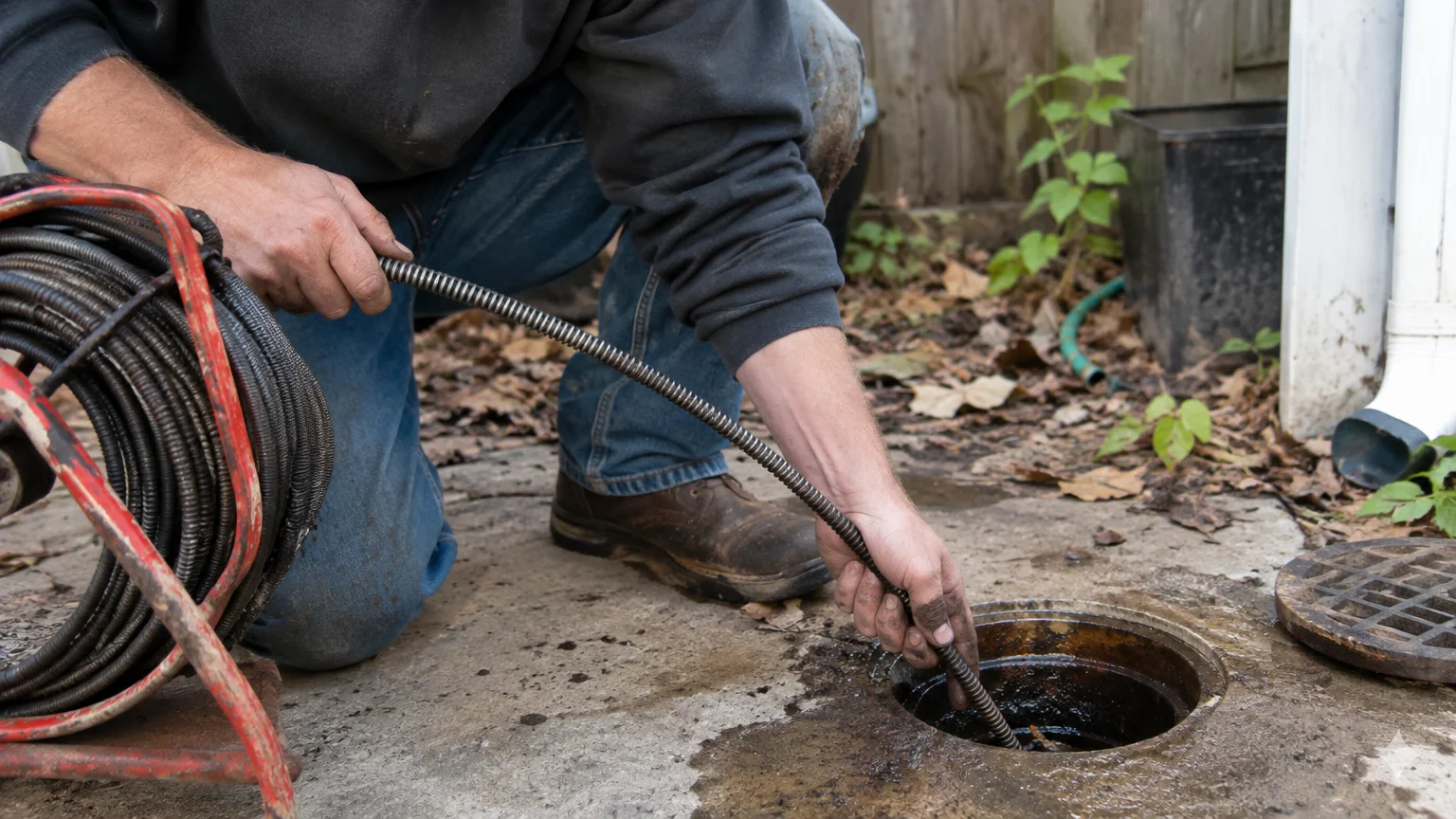
A drain snake is a long, bendy tool that goes into a pipe to reach a blockage. A hand-operated model may have a small hook or coil at its tip. The user feeds it into the drain, then turns or pulls it back to catch debris. Plumbers use longer tools that can reach farther into drain lines.
A homemade drain snake alternative does not have the same design. It may catch loose hair or lint near the drain opening, but it may not clear grease, hard buildup, or a clog deep in a pipe. A drain snake sold for home use is made for this task, but the right tool depends on the drain and the clog.
How homemade alternatives differ from plumbing tools
A tool made for drain work often has a smooth, flexible body and a shaped tip. These features help it move through a drain while reducing contact with the pipe walls. A household object may have sharp edges, weak joints, or a shape that can snag inside a pipe.
Keep the goal simple: remove visible debris or a shallow clog without force. A homemade tool is not a fix for a sewer blockage or a damaged pipe. Rockford Plumbing can help Rockford property owners judge whether a problem seems limited to one fixture or may affect a larger drain line.
Which household items can help clear a minor drain clog?
A plastic drain-cleaning strip is often the best household choice for a small hair clog near the opening. Small barbs on the strip can catch hair as you pull it out. Use the tool as directed, and do not push it deeper when it meets resistance.
Using a plastic drain-cleaning tool
These basic tools are sold at hardware and home stores. They are made to catch hair and debris nearby, not to clear every kind of clog. Choose one that fits the drain opening, and check that it is not cracked or rough before using it.
Remove the drain cover only if it comes off safely. Feed the strip in slowly, then pull it out without twisting hard. Keep a firm grip so it does not slip into the pipe. Take off any caught material and put it in the trash instead of rinsing it down the drain.
When a bent wire hanger may cause damage
A wire hanger is not a safe replacement for a plumbing snake. Its end may scratch a fixture, catch on a pipe joint, or become stuck. It may also push hair or other debris deeper instead of pulling it out. Do not use one when you do not know the pipe path or the drain opening is narrow.
Never use a sharp or homemade metal tool in a toilet. Toilet pipes have bends that can trap objects, and a metal edge can scratch the bowl. A plastic tool made for the fixture is safer. If a cleaning strip cannot reach the clog with ease, stop rather than trying a longer or sharper object.
How can you try a homemade drain snake safely?
Try a homemade drain snake only when the clog seems shallow, the fixture drains slowly, and no other drain is backing up. First, clear any debris you can see around the opening. Use a plastic cleaning strip gently, and stop if it catches or meets firm resistance.
Steps for attempting a shallow, accessible clog
- Protect the area. Put on gloves and move items away from the sink or tub. Keep a small bag or bin nearby for debris.
- Check the drain opening. Remove visible hair or food scraps by hand only if they are easy to reach. Do not put your fingers deep into the pipe.
- Use the right tool. Choose a plastic strip made for drain cleaning. Follow its directions and keep the tool near the drain opening.
- Pull debris out gently. Move the strip slowly, then remove any material caught on it. Do not force the tool deeper.
- Test the fixture. Run a little water and watch how it drains. Stop if water rises, leaks appear, or the clog remains.
Protecting the drain, pipe, and yourself
Do not mix drain products or use a chemical cleaner after trying another product. Liquid left in the pipe may splash or react with something else. If you already used a chemical cleaner, follow its label and tell a plumber before service begins.
Keep tools clean, and do not use a drain tool in a food area without washing it well. If the tool breaks or falls into the pipe, do not try to get it with another object. A licensed plumber can check the drain and remove a stuck tool without adding more force or damage.
When should you use a plunger instead of a drain snake?
A plunger is often a better first choice when a soft clog sits near a sink, tub, or toilet drain. It uses pressure to loosen a clog, while a snake catches or moves debris. The best choice depends on the fixture and what may be blocking it.
Matching the tool to the fixture
For a sink or tub with standing water, a cup plunger may loosen a nearby clog. A flange plunger has a shape made to fit a toilet outlet. Use a clean, separate plunger for toilets and sinks. A plunger that does not seal against the fixture will not work well.
A plunger may help when water drains slowly but has not backed up in other fixtures. A plastic strip may work for hair near a tub or bathroom sink opening. Neither tool is likely to fix a deep sewer problem or a clog caused by a damaged pipe.
Creating a proper seal without forcing the clog
Place the plunger cup over the drain opening and press down gently to make a seal. Use steady strokes instead of sharp, hard pushes. For a sink with an overflow opening, cover the overflow with a damp cloth to help keep pressure near the drain.
Stop if water rises in another fixture, the plunger does not change the flow, or a leak appears. Hard plunging can splash dirty water and put stress on weak pipe connections. If a toilet keeps filling or a sink stays blocked after careful use, more force will not solve the problem.
What should you avoid when clearing a drain yourself?
Avoid sharp metal objects, force, and chemical drain cleaners when you do not know what caused the clog. These choices can create a safety risk or harm a fixture. Do not keep trying home methods when the drain shows signs of a larger problem.
Why chemical drain cleaners can create risks
Some chemical products can burn your skin or eyes. They may also stay in the pipe and splash back during plunging or tool use. If you have already used one, read and follow the product label. Never mix cleaners or add another product to make the first work faster.
A cleaner may not remove what caused the blockage. Hair, grease, or an object can stay in place even if water flows for a short time. If the drain remains slow, using more cleaner may expose people to more residue without fixing the clog. Use a safer tool only when the product label and the situation allow it.
How forceful or unsuitable tools can damage pipes
Do not push a wire, stick, or rough-ended tool into the drain. It may catch on a pipe joint, harm a seal, or become stuck. Older or fragile pipes may be at greater risk when someone tries to clear a clog with force.
Do not keep turning a tool when it will not move. It may have reached a bend, a hard object, or a clog beyond its reach. Stop and gently remove the tool if you can. If it is stuck, call a plumber instead of pulling hard or adding another tool.
How can you tell whether a clog needs professional attention?
A clog may need expert care when it keeps coming back, affects several fixtures, or sends dirty water back up. These signs may point to a blockage farther along a drain or sewer line. Stop home repairs if water is rising, leaking, or coming from more than one drain.
Warning signs of a deeper drain or sewer problem
Watch for changes that go beyond one sink or tub. One slow drain may have a local clog, but several affected fixtures can point to a shared drain problem. A sewer backup is wastewater that flows back into a building through a drain or fixture. Treat it as serious and avoid touching the water.
Common warning signs include:
- Several slow drains at once, especially in different rooms.
- Water backing up in a tub, floor drain, sink, or toilet.
- Gurgling sounds from fixtures when someone uses another drain.
- A clog that returns soon after careful clearing.
- Leaks or damp areas near pipes, walls, or cabinets.
These signs alone do not prove the cause. A plumber can check the system and decide whether drain cleaning or drain repair may help. Avoid running more water if it causes a backup.
When repeated DIY attempts should stop
Stop when a careful attempt does not improve the drain. Trying the same method again and again may push the clog deeper or make a bigger mess. Stop right away if a tool gets stuck, a pipe leaks, or a chemical product was used and the drain still needs help.
A licensed plumber can use tools made for the line and check for a deeper problem. Rockford Plumbing helps homeowners and property owners understand when professional drain cleaning may be needed. For an urgent backup or active leak, seek emergency plumbing help and keep people away from dirty water.
How can you help prevent future drain clogs?
Simple habits can help keep drains clear. Use a drain screen, remove caught debris, and keep grease and food scraps out of sink drains. These steps cannot prevent every clog, but they can reduce what enters the pipes.
Everyday habits that keep drains clearer
In a bathroom, clean hair from the drain screen before it washes into the pipe. In a kitchen, put food scraps in the trash or compost bin instead of rinsing them down the sink. Let cooking grease cool, then put it in a suitable container instead of pouring it into a drain.
Do not flush wipes, paper towels, or hygiene products, even if the package says they can be flushed. They may not break down like toilet paper. Keep small objects away from open drains, and make sure everyone at home knows what should stay out of them.
Choosing routine maintenance for the type of drain
Each drain has different needs. Kitchen sinks collect food and grease, while bathroom drains often collect hair and soap. A floor drain may need its cover checked and cleared of dirt. A screen or strainer can catch debris before it enters the pipe.
For clogs that keep returning, note which fixtures are affected and when the problem occurs. These details may help a plumber find the cause. Vinegar and baking soda are often suggested for drain cleaning, but they may not clear a real blockage. They should not take the place of safe removal of visible debris or an inspection when clogs return.
Frequently Asked Questions
Can a homemade drain snake clear a deep clog?
Usually, a homemade tool is suited only to debris near the drain opening. It may catch loose hair, but it cannot reliably reach or clear a deep blockage. If a gentle attempt does not work, stop. A plumber can check the drain and choose a tool that fits the problem.
Is baking soda and vinegar a good way to clean a drain?
Baking soda and vinegar may loosen some light residue, but they are not a sure fix for a solid clog. They will not remove every kind of buildup or a blockage deep inside a pipe. Do not mix them with chemical drain products. Use a drain screen and remove visible debris instead.
Can a wire hanger be used as a drain snake?
A wire hanger is not a safe drain snake. Its sharp end may scratch a fixture, catch inside a pipe, or push debris deeper. Use a plastic drain-cleaning strip made for the task, and keep it near the opening. Stop if it meets resistance or gets stuck.
How can someone tell whether a drain clog is in the sewer line?
Several slow drains, gurgling fixtures, or wastewater backing up may point to a problem beyond one fixture. These signs do not confirm the exact cause. Stop using affected drains and contact a licensed plumber. Avoid touching backup water, since it may contain harmful waste.
When should a homeowner call a plumber for a clogged drain?
Call a plumber when a clog returns, affects several fixtures, causes a backup, or does not improve after a careful attempt. Also stop if a tool gets stuck or a leak appears. Repeated force may make the problem worse. A professional can inspect the drain and suggest a safe next step.
Key Takeaways
- A homemade drain snake is best for a shallow, minor clog.
- A plastic cleaning strip is safer than a wire hanger.
- Use gentle movements and stop when a tool meets resistance.
- Several slow drains or a sewer backup need prompt attention.
- Screens and careful disposal habits can help prevent clogs.
Conclusion
A plastic drain-cleaning strip may help with hair or debris near a drain opening. It is not a replacement for a plumbing snake or a professional check. Use simple tools with care, avoid harsh or forceful methods, and stop if the clog remains. For help with a blocked drain or signs of a deeper problem, Contact us to discuss the next step with Rockford Plumbing.
Rockford homeowners can handle visible debris and simple upkeep when it is safe. For a clog that returns, affects several fixtures, or causes a backup, professional help can prevent more harm. Learn more about Rockford Plumbing.
If you are not sure what you are dealing with, it is worth having someone look at it before it turns into a bigger job. Get in touch with Rockford Plumbing today and we will tell you where you stand.