Faucet low water pressure often comes from a clogged aerator, partly closed shutoff valve, damaged supply hose, or hidden plumbing issue. Homeowners can safely clean the aerator and check the valve first. If several fixtures are affected, leaks, pipe buildup, or a main supply problem may need professional testing.
A weak stream can seem minor, but it may slow cooking, cleaning, bathing, or work at a business. Finding the cause early can help prevent water waste and damage. These steps help property owners in Rockford know what they can check safely.
Table of Contents
- Why does my faucet have low water pressure?
- Is the low water pressure affecting one faucet or the whole property?
- How do you check and clean a clogged faucet aerator?
- Could a shutoff valve or supply line be causing low faucet pressure?
- Can plumbing leaks, corrosion, or pipe blockages reduce faucet pressure?
- How can you test and restore faucet water pressure safely?
- When should you call a plumber for low water pressure?
Why does my faucet have low water pressure?
Faucet low water pressure often starts at the fixture, not the whole plumbing system. Common causes include a dirty aerator, a closed valve, a bent hose, or sediment inside the faucet. A faucet aerator is the small screen at the spout end. It mixes air with water and helps shape the stream.
How faucet aerators restrict water flow
Mineral pieces, rust, and dirt can collect in the aerator screen. This blocks the small openings and makes the flow look thin or uneven. The stream may also spray in many directions instead of falling in one smooth line.
An aerator can clog after plumbing work, water shutoffs, or changes to the local water supply. Older faucets may have worn screens that hold debris more easily. Cleaning this small part is often a safe first check for a homeowner.
How supply valves and connecting hoses affect pressure
The small shutoff valves under a sink control water to that faucet. A valve that is partly closed can limit flow. The flexible supply hose can also bend, collapse, or collect debris inside its passage.
A fixture may have weak flow after a faucet replacement or cabinet work. The valve may not have been opened fully. The hose may have shifted behind stored items. Check these simple causes before trying harder repairs.
Is the low water pressure affecting one faucet or the whole property?
Test another faucet before taking anything apart. If only one fixture has weak flow, the problem is usually near that faucet. If several fixtures have weak flow, the cause may involve the main supply, a leak, a pressure control part, or older pipes.
What single-fixture pressure loss usually means
One weak faucet often points to a clogged aerator, shutoff valve, hose, cartridge, or faucet body. Compare the affected fixture with a nearby sink, tub, or outdoor spigot. This simple test helps narrow the search.
Test hot and cold water separately as well. If only hot water is weak, the faucet cartridge, hot-side valve, or water heater system may be involved. If both sides are weak, the aerator or supply path may be more likely.
What whole-house pressure loss may indicate
A property-wide change needs more care. It may follow work on the street, a closed main valve, a failing pressure regulator, or a supply problem. A pressure regulator controls incoming water pressure. It helps the plumbing system receive a safer, steadier flow.
A sudden drop can also point to a broken pipe or major leak. Check for wet soil, running water sounds, damp walls, or an unexplained change in the water meter. Rockford Plumbing can help property owners decide whether the issue is limited to one fixture or needs a wider inspection.
How do you check and clean a clogged faucet aerator?
A homeowner can usually inspect and clean a faucet aerator with basic care. Turn off the water at the fixture valves when needed. Use a cloth to protect the finish while removing the part.
How to remove and inspect the aerator
First, place the sink stopper or a towel over the drain. Small parts can fall into the basin. Unscrew the aerator by hand if possible. If it is tight, use a wrench over a cloth and turn gently.
Keep the parts in order as they come off. Look for a screen, rubber washer, and small insert. Rinse loose dirt under clean water. A soft brush can remove buildup without harming the screen.
Soak the screen in plain white vinegar to loosen mineral deposits. Rinse the part well before putting it back. Do not force a brittle or corroded aerator. It may break inside the faucet spout.
When cleaning will not solve the problem
Cleaning will not fix a damaged cartridge, blocked supply hose, closed valve, or pipe problem. The aerator may also look clean while debris remains inside the faucet body. Reinstall the part and compare the flow with another fixture.
If pressure stays poor, stop taking the faucet apart again and again. Scratches or a lost seal can create a new leak. A fixture plumber can inspect the inside parts and replace worn components when needed.
Could a shutoff valve or supply line be causing low faucet pressure?
Yes. A partly closed valve or restricted supply line can reduce flow even when the faucet works properly. These parts sit below or behind the fixture. Check them without forcing anything.
How to inspect the fixture shutoff valve
Look under the sink for the hot and cold shutoff valves. A lever is open when it lines up with the pipe. A round handle usually opens by turning slowly to the left. Old valves may resist movement.
Never force a stuck valve. A fragile valve can leak at the stem or fail inside the wall. Turn each working valve gently and test the faucet after each change. If water appears around the valve, close it only if safe and arrange plumbing repair.
Signs of a damaged or obstructed supply line
A supply hose should not be sharply bent, crushed, or stretched. Flexible hoses can develop an inner blockage or fail with age. Signs include weak flow at one fixture, rust near a connection, damp cabinet flooring, or a swollen hose.
Do not remove a supply hose unless the water is fully shut off and a container is ready. Some connections may be stuck or worn. A plumber can replace the line and check the connection for hidden water damage.
Can plumbing leaks, corrosion, or pipe blockages reduce faucet pressure?
Leaks and pipe blockages can reduce available flow, especially when more than one fixture is affected. Corrosion is the gradual wearing of metal pipe from water and age. Mineral buildup can also narrow the inside of a pipe and restrict water movement.
How hidden leaks affect water flow
A hidden leak may cause damp spots, peeling paint, mold odor, or water sounds when fixtures are off. The water meter may also show use when nobody is using water. A leaking pipe can waste water and damage cabinets, floors, walls, or ceilings.
Some leaks stay behind walls or under floors. Do not open a wall without a clear plan. Leak detection tools can help find a problem while limiting needless damage. Prompt help matters when water is spreading or the main line may be broken.
When aging pipes or mineral buildup require repair
Older metal pipes may narrow from rust and mineral deposits. The faucet may still work, but the stream becomes weaker over time. Several fixtures may show the same change, especially on the same side of the property.
Cleaning the faucet will not remove buildup deep inside a pipe. The right repair depends on the pipe material, location, condition, and access. Rockford Plumbing serves customers across Rockford, including Downtown Rockford and East Rockford, as well as nearby communities such as Loves Park, Machesney Park, Cherry Valley, and Belvidere.
How can you test and restore faucet water pressure safely?
A safe test starts with simple checks and avoids force. Compare fixtures, test hot and cold flow, inspect the aerator, and check visible valves and hoses. Shut off water before removing any part.
A practical troubleshooting sequence for homeowners
- Test another nearby faucet to compare the water stream.
- Run both hot and cold water at the affected fixture.
- Check whether the shutoff valves are open and dry.
- Inspect the supply hoses for bends, rust, or damp areas.
- Remove and clean the aerator if it can be removed safely.
- Reassemble the fixture and test the flow again.
These steps can solve a simple blockage without professional help. They also give a plumber useful details if the problem continues. A homeowner should not cut pipes, open walls, adjust unknown pressure controls, or work near electrical equipment and standing water.
When professional leak detection or plumbing repair is needed
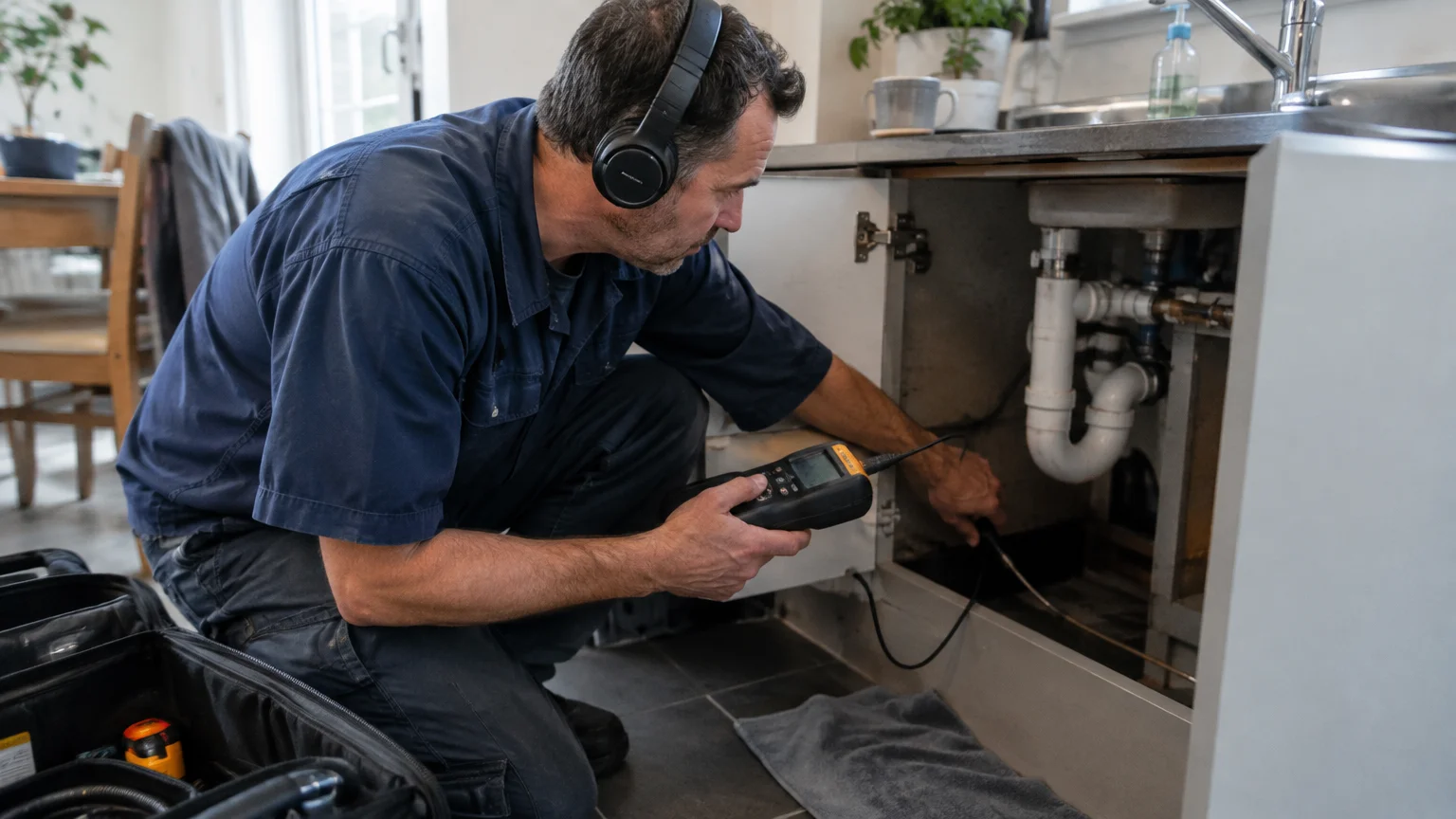
Professional help is needed when several fixtures lose flow, a pipe may be leaking, or a valve will not move. It is also wise to call when the faucet is new but the problem remains. A trained plumber can test pressure, inspect supply lines, check cartridges, and look for hidden leaks.
The same visit may uncover related issues, such as a running toilet, blocked drain, or failing water heater connection. Water heaters need careful checks, especially when gas, exhaust, or electrical parts are involved. A plumber for water heater repair can assess those systems safely.
When should you call a plumber for low water pressure?
A plumber should inspect low pressure when the change is sudden, affects the whole property, or comes with leaking water. Prompt service also matters when a faucet cannot shut off, a pipe is damaged, or water reaches electrical equipment. Small fixture checks are safe, but hidden supply problems need proper tools.
Warning signs that need prompt attention
Call for plumbing help when any of these signs appear:
- Water remains weak at several fixtures after valve checks.
- Damp walls, wet cabinets, stained ceilings, or mold odors appear.
- The water meter moves while every fixture is turned off.
- A shutoff valve is stuck, cracked, or leaking around its stem.
- Rust flakes or dark debris keep returning after cleaning.
- The pressure drops quickly or changes without a clear reason.
Gas concerns need special care. Anyone who smells gas should leave the area and contact the gas utility or emergency services from a safe location. Do not test for a gas leak with a flame, switch electrical devices, or try to repair gas equipment.
How a plumber diagnoses fixture and water-supply problems
A plumber may compare fixture flow, inspect valves, test pressure, and check supply lines. The plumber may also examine the faucet cartridge, water heater connections, main shutoff, and visible piping. Leak detection can help find water movement behind walls or below floors.
The needed repair depends on the cause and the condition of the plumbing. Parts, access, damage, urgency, and system size all change the work involved. The final cost is confirmed on a quote after the problem is assessed.
Key takeaways
- A clogged aerator is a common cause of weak faucet flow.
- One affected faucet usually points to a local fixture problem.
- Several weak fixtures may signal a leak, valve, or pipe issue.
- Homeowners can clean an aerator and check visible valves safely.
- Sudden pressure loss, water damage, or hidden leaks need prompt help.
Frequently Asked Questions
What causes low water pressure at one faucet?
A clogged aerator, partly closed shutoff valve, blocked supply hose, or worn faucet cartridge can affect one faucet. Test hot and cold water separately, then compare another fixture. If the other fixtures work normally, the fault is likely near the affected faucet rather than in the main water supply.
How do you fix a faucet that has weak water flow?
Start by checking the shutoff valves and supply hose. Then remove and clean the aerator if it comes off safely. If the stream stays weak, the faucet cartridge, hose, or pipe may need repair. A plumber can test the fixture without harming nearby cabinets or connections.
Can a water leak cause low faucet pressure?
Yes. A major leak can divert water before it reaches fixtures. Look for wet areas, water sounds, staining, mold smells, or meter movement when all water is off. Hidden leaks can worsen quickly, so professional leak detection is wise when the source is not visible.
Should homeowners replace a clogged faucet aerator?
Cleaning may work when the screen is blocked by dirt or mineral deposits. Replacement is better when the screen is cracked, badly corroded, or still restricts flow after cleaning. The new aerator must match the faucet threads and include a proper washer to prevent leaks.
When is low water pressure an emergency?
It is urgent when pressure drops suddenly with a burst pipe, spreading water, major leak, or water near electrical equipment. A gas smell also requires immediate caution. Leave the area for gas concerns and contact the gas utility or emergency services from a safe location. For plumbing support, arrange an assessment with Rockford Plumbing.
Conclusion
Low faucet pressure often has a simple cause, such as a dirty aerator or closed valve. A homeowner can check these parts with care. Pressure problems that affect several fixtures, cause water damage, or return after cleaning need a complete plumbing inspection.
Rockford Plumbing helps homeowners, business owners, and property managers with faucet repairs, fixture issues, leaks, and water-flow concerns. Find out more about our toilet repair in Rockford. Contact us to arrange professional help when simple checks do not restore steady water flow.