Low water pressure in a commercial building can come from the water supply, a clogged pipe, a leak, or failing equipment. Compare several fixtures and note when the problem occurs before deciding what needs repair. A plumber can test the system and find the cause, especially when pressure loss affects many areas.
Table of Contents
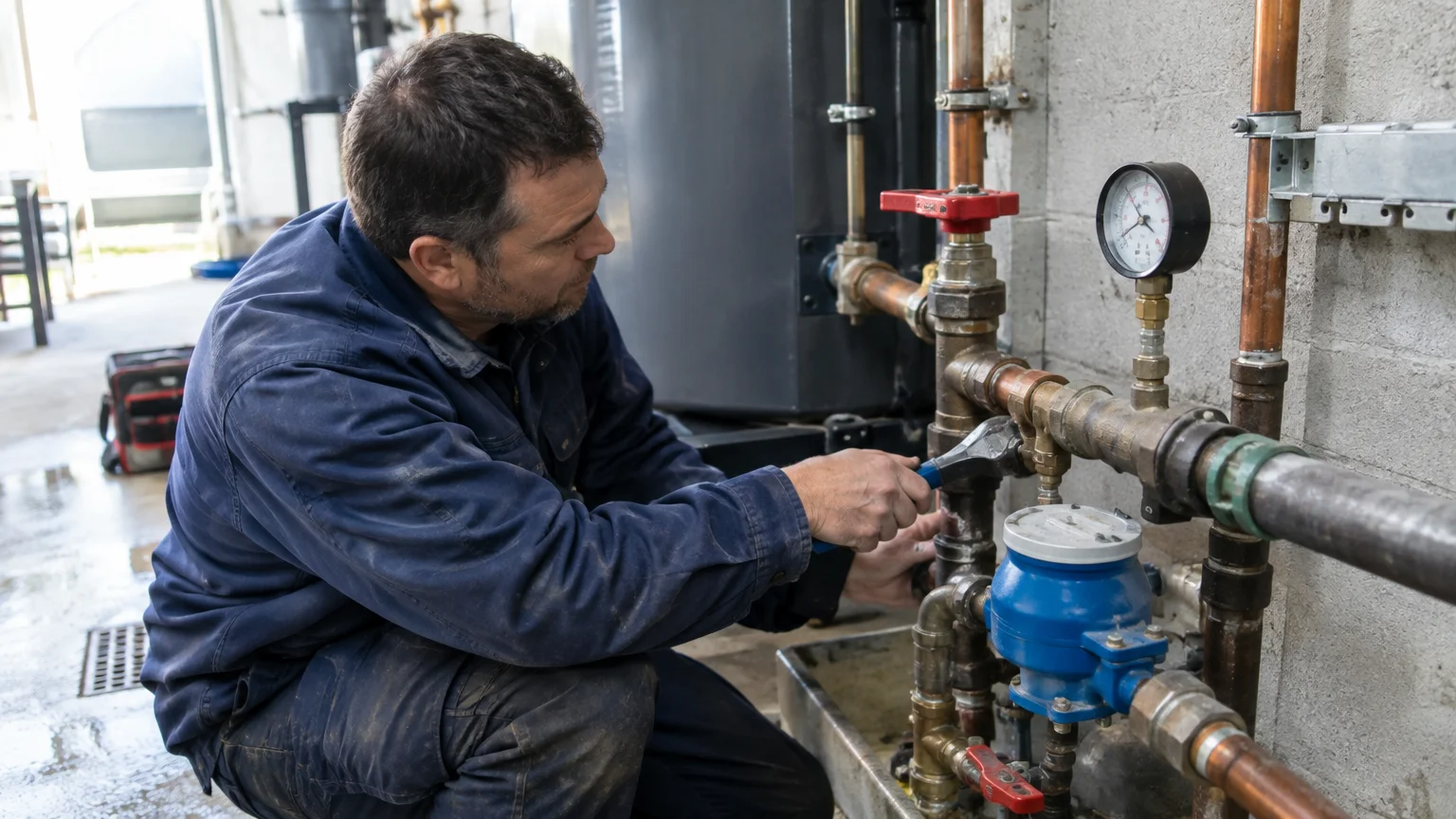
- What counts as low water pressure in a commercial building?
- What causes low water pressure in a commercial building?
- Why does water pressure drop at certain times or locations?
- How can you identify the source of a pressure problem?
- Can clogged pipes or fixtures cause low water pressure?
- Can leaks or failing plumbing equipment reduce pressure?
- How do water heaters affect pressure in commercial restrooms?
- What fixes can restore water pressure in a commercial building?
- When should a commercial property manager call a plumber?
- How can you prevent recurring low water pressure?
- Frequently Asked Questions
- Key takeaways
- Conclusion
What counts as low water pressure in a commercial building?
Low water pressure means water leaves a fixture with less force than expected. It may affect one sink, several restrooms, or the whole building. A weak stream is a clue, but it does not show the cause by itself. Compare fixtures to see whether the problem is local or shared.
Water pressure is the force that moves water through pipes. Water flow is how much water comes out over time. A clogged faucet may have weak flow even when pipe pressure is normal. But weak flow at several fixtures can point to a larger concern. An aerator is the small screen at the end of many faucets. It mixes air with water and can catch debris.
Check whether both hot and cold water seem weak. Compare sinks, toilets, break-room taps, and fixtures in other areas. Note whether the problem stays all day or comes and goes. Do not remove covers or adjust valves unless you are trained and allowed to do so. Record which fixtures are affected, when the problem began, and whether nearby work is underway.
A low water pressure commercial building concern should be checked at more than one fixture. Do not assume every weak stream has the same cause. Pressure needs can differ by building design, fixture type, and floor count. Rockford Plumbing can help property teams assess the issue and decide what inspection may help. Staff can make these basic checks without opening pipes or changing system settings.
What causes low water pressure in a commercial building?
Low water pressure can begin outside the building or within its plumbing. A supply issue, partly closed valve, pipe buildup, leak, or failing pressure device may reduce flow. The fixtures affected can help narrow down the cause, but cannot prove it. More than one issue may be present, especially in an older or complex property.
The water supply line brings water from the public system into a property. Work on that line, a supply interruption, or a problem at the building connection can affect many fixtures. Property staff can ask the local water provider about nearby work or a reported outage. If other properties around Rockford report similar symptoms, that may point to an outside supply issue. The building’s own pipes and equipment still need to be considered.
A pressure-reducing valve controls incoming pressure so it stays within a useful range. If it sticks, wears out, or has a poor setting, fixtures may get too little pressure. A main valve that is closed or partly closed can also limit the supply. Only a qualified person should test or adjust system valves. A wrong change can affect other fixtures and equipment.
Inside the building, mineral scale, rust, or debris can narrow older pipes. A leak can also send water away before it reaches a fixture. Pumps, backflow devices, and valves may need inspection. A backflow device helps stop water from flowing the wrong way into the supply. The cause may also be recent plumbing work, construction, or a shutoff left partly closed. Note recent work and tell the plumber so the inspection can focus on the right parts.
Why does water pressure drop at certain times or locations?
Pressure may drop when many fixtures run at once or water must travel far through the building. A problem seen only during busy hours may differ from one that affects one fixture all day. Tracking the time and location can help show a pattern. Share those details with the plumber so testing can match the times when the issue happens.
A commercial building may use water in restrooms, kitchens, cleaning areas, and work spaces at once. When several fixtures run together, some may have weaker flow. This can happen if the supply line or plumbing system cannot meet demand at that time. Staff can note whether pressure drops during opening hours, shift changes, meal breaks, or cleaning. If pressure stays weak during quiet times, a blockage, leak, or equipment fault may be more likely.
Water travels through pipes to reach each fixture. Upper floors and fixtures far from the supply entry may show a different pattern from nearby ones. A building with many floors may use pumps or other equipment to move water where needed. Compare the same kind of fixture on different floors. Note whether the pattern is the same across the property. This can help separate a floor-specific concern from a wider issue.
If several upper-floor fixtures are weak while lower ones work well, the problem may involve the building system, a pump, or a supply control. If one restroom is affected, a local valve or pipe blockage may be more likely. These are clues, not final answers. A hidden leak or equipment fault can create an unexpected pattern. A plumber can check the route and consider demand, floor height, and distance from the supply entry.
How can you identify the source of a pressure problem?
Start by recording where pressure is weak, whether hot or cold water is affected, and when the change occurs. Compare several fixtures without taking plumbing apart. This check can help separate a single-fixture issue from a building-wide supply or equipment problem. It also gives the plumber a clearer start than a general report that water pressure is low.
Property staff can use a short checklist:
- Note the rooms, floors, and fixtures with weak flow.
- Check whether hot water, cold water, or both seem affected.
- Record whether the issue changes during busy periods.
- Ask whether nearby plumbing work or a supply interruption occurred.
- Look for visible leaks, wet areas, or unusual sounds near pipes.
Do not use tools on valves or remove plumbing parts unless trained. Follow the facility’s safety and access rules, especially in mechanical rooms and locked areas. Keep the notes together so the plumber gets one clear report instead of separate guesses. If the issue changes during the day, record the times and building activity rather than relying on memory.
A plumber may measure pressure at a safe test point and compare readings across the system. Pressure testing means using a gauge to check water pressure in a pipe. The plumber may inspect shutoff valves, regulators, pumps, filters, and the supply connection. They may compare hot and cold sides and check the affected fixtures. Depending on the symptoms and building layout, testing may also include a check for leaks or blockages and a review of equipment history.
Rockford Plumbing can help commercial property teams learn which parts of the system need attention. Access to mechanical rooms and plumbing records can help the visit go smoothly, if authorized staff arrange it. Share notes about recent work, repeat complaints, and fixtures that still work normally. These details help the plumber compare affected areas with working parts of the system.
Can clogged pipes or fixtures cause low water pressure?
Yes. A blockage can reduce flow at one fixture or across part of a pipe system. Mineral deposits, corrosion, and trapped debris can narrow the path water uses. The weak-flow pattern may show whether the blockage is near a fixture or farther inside. An inspection may still be needed to find its exact location.
Hard water can leave mineral deposits inside pipes and fixtures. Over time, buildup can narrow the opening where water passes. Older metal pipes can also corrode from the inside. A plumber can check whether pipe condition is causing a wider pressure issue, especially if several fixtures in one area are weak. A blockage farther inside may affect a group of fixtures instead of one tap.
Avoid pouring strong chemicals into commercial plumbing to clear a suspected blockage. These products may harm pipes or create a safety risk for staff. Do not open a wall or use powered equipment without training. Drain cleaning may be useful when a blockage affects a drain, but a drain problem is not always the cause of weak water pressure at a faucet. A plumber can choose a safe method after checking the blockage, pipe material, and building needs.
A dirty aerator or showerhead can cause weak flow at one fixture. Staff may clean a removable screen if building rules allow it and it comes off safely. This simple task may be right for a homeowner or authorized staff member. Stop if the part is stuck, hard to reach, or likely to break. If cleaning does not help, arrange an inspection rather than forcing the part.
Commercial toilets may use flush valves, which release water to clear the bowl. A worn or blocked valve can affect flushing, but it does not always mean the whole building has low pressure. Note whether other fixtures are affected too. That helps the plumber tell a fixture problem from a system problem. Do not take apart a commercial flush valve unless trained and allowed to do so.
Can leaks or failing plumbing equipment reduce pressure?
Yes. A leak can divert water from the fixtures that need it. Worn equipment may also restrict flow. A hidden leak may cause damp floors, stains, a musty smell, or the sound of running water when fixtures are off. Report these signs promptly, even if pressure loss seems small or affects only part of the building.
Look for new wet spots, peeling paint, ceiling stains, or water near pipes and equipment. A sudden pressure change with no clear cause also needs attention. Do not touch water near electrical equipment. Keep people away from unsafe areas and follow the building’s emergency plan. Staff should not open walls or equipment covers to look for a hidden leak unless qualified and allowed.
If a water heater leaks from the bottom, the source may be a connection, drain valve, or tank failure. Water near the base does not show which part has failed. Keep people away from hot water and electrical hazards, and arrange a plumbing inspection. A leak can damage the building even if pressure seems normal elsewhere. Do not ignore visible water just because the whole building has not lost pressure.
A pressure-reducing valve, pump, or backflow device can affect water delivery if it fails or becomes blocked. These devices may be in a utility room or behind a locked door. Staff should not adjust or bypass them without training. A wrong change can affect other fixtures or equipment. Keep access controlled and follow building rules when a device seems to be failing.
A plumber can check whether a device works as it should and whether it needs service or replacement. If pressure changed after equipment work, share the date and details. This may help connect the change to a valve, pump, or other system part. Staff can record visible symptoms and warning messages. A qualified professional should diagnose and repair these system parts.
How do water heaters affect pressure in commercial restrooms?
A water heater usually affects hot-water delivery, not the cold-water supply throughout a building. If only hot water has weak flow, the cause may be near the heater or in hot-water pipes. If hot and cold water are both weak, the problem may be elsewhere in the plumbing. Compare both sides at more than one fixture without opening the heater.
Compare hot and cold water at more than one sink. If cold water works normally but hot water is weak at several fixtures, a plumber may check the heater, its valves, and hot-water lines. A blocked filter or pipe restriction can also affect hot water. If only one tap has weak hot water, the cause may be at that fixture, not the heater or main hot-water pipe.
If there is no hot water, unusual noise, a leak, or an error message, note what the equipment shows. Do not open its cover. Water Heater Repair can help find whether the unit or connected plumbing needs service. Staff should not bypass a safety device or change settings without permission. Report the symptoms and leave access to the unit for trained staff.
A heater may need service when it leaks, fails to heat water, or gives uneven temperatures. Water heater replacement may make sense when a unit has serious damage or keeps failing. The right choice depends on the unit, its condition, building needs, and whether parts are available. A plumber can explain whether repair or replacement suits the situation after checking the equipment and learning how the building uses hot water.
Tankless water heaters use a heat exchanger to warm water as it passes through the unit. A heat exchanger transfers heat to the water. Tankless water heater installation must match the building’s water demand, fuel source, venting, and current connections. It is not a fix for low pressure on both hot and cold sides. The system must suit the property, rather than being treated as a general answer to a pressure problem.
What fixes can restore water pressure in a commercial building?
The right fix depends on the cause. Cleaning a fixture may solve a local issue. A failed regulator, leak, or blocked pipe may need professional repair. A plumber should confirm the source before changing system settings or replacing equipment. Fixing only the symptom can leave the main problem in place or cause new issues elsewhere.
A clogged aerator may need cleaning, and a faulty fixture valve may need repair. A partly closed valve can sometimes explain a sudden change, but staff should not adjust valves unless trained and allowed. A plumber can confirm which valves staff may safely use and whether a valve is the cause. Cleaning a removable fixture screen is a reasonable task only when building rules allow it and it can be done safely.
A leak needs repair at its source, not just cleanup of visible water. If a regulator or pump has failed, a plumber can decide whether service or replacement is right. Emergency Plumbing may be needed when a leak is active, water is spreading, or service is lost across many areas. Staff should follow the building’s response plan and stay away from unsafe equipment.
A pipe with heavy corrosion or buildup may need repair or replacement. If pressure keeps differing across the building, the pumps, pipe layout, or water demand may need review. Any change should suit the property and its fixtures, not rely on a quick adjustment. The plumber can consider affected floors, distance from the supply entry, busy periods, and pipe condition when explaining possible repairs.
Do not install a pump or change a pressure setting as a guess. Too much pressure can harm pipes and connected equipment. A plumber can test the system, explain the options, and check that a repair works across affected areas. Keep records of the work and pressure changes afterward. This can help the property team see whether the issue has returned or a new pattern has formed.
When should a commercial property manager call a plumber?
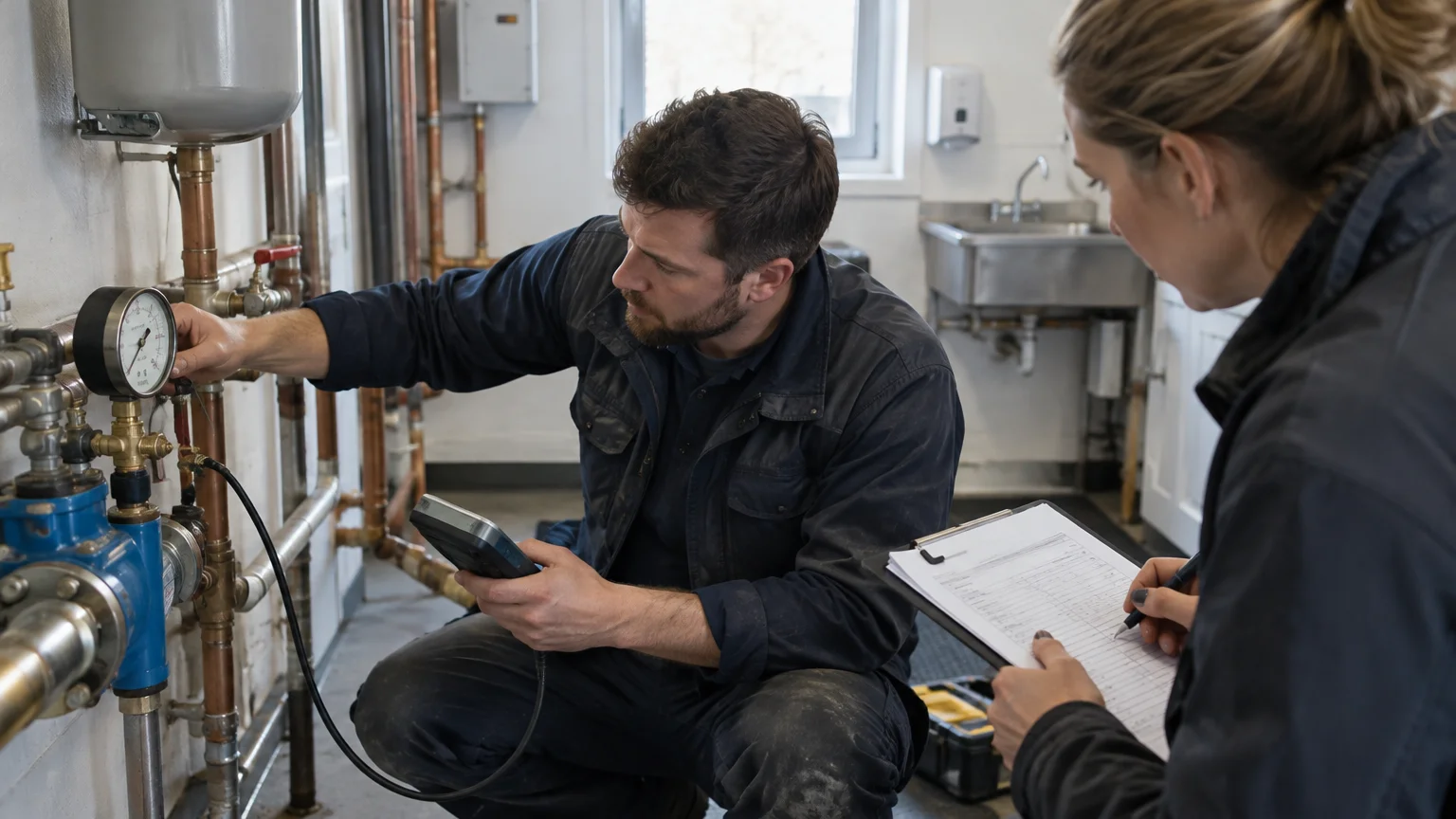
Call a plumber when pressure loss affects several fixtures, returns after basic checks, or comes with a leak or equipment warning. A sudden loss of water can disrupt restrooms and daily work. Prompt help can limit water damage and show whether the supply or a building system has failed. A plumber is also the right person for hidden pipes, system valves, pumps, regulators, and other equipment staff are not trained to handle.
Treat active leaks, water near electrical systems, and sudden widespread pressure loss as urgent. Follow the building’s safety plan and keep staff away from hazards. If trained staff can safely reach the correct shutoff, they may follow the property’s procedure while help is arranged. No one should approach a shutoff or equipment area if water, power, heat, or access makes it unsafe.
A gas smell near a gas-fired water heater is also an emergency. Do not use a flame or operate electrical switches in the area. Leave and contact the gas utility or emergency responders from a safe place. Never test for a gas leak with a flame or try to repair gas piping. Follow local emergency advice and the building’s response plan.
A short, clear report helps the plumber prepare. Share which fixtures are affected, whether hot or cold water is weak, when the problem began, and whether it changes with building use. Mention recent repairs, visible leaks, equipment warnings, and areas staff cannot reach. These details help show whether the issue is at one fixture or involves the supply or equipment.
Do not delay urgent service to gather every detail. If safe, keep people away from the affected area and protect nearby property from water. Records of earlier repairs can help show repeat problems and reduce guesswork during inspection. Staff can collect details and make simple observations. Pressure testing, equipment changes, and repairs should be left to trained professionals.
How can you prevent recurring low water pressure?
Regular checks can catch small changes before they affect a whole building. Property teams can watch for leaks, slow fixtures, unusual pump sounds, and repeat complaints. A maintenance plan should cover the plumbing equipment in the building and follow the care instructions for each system. Recording small changes helps staff notice when one fixture problem becomes a wider concern.
Assign staff to record repeat complaints and report new leaks. Keep service records for water heaters, pumps, regulators, and backflow devices. Make sure trained staff know where shutoffs are, and keep access to mechanical rooms clear. Follow equipment maker guidance for service and care. Make sure each shift and department knows how to report a plumbing issue.
Do not use harsh drain products or force stuck valves as routine care. Ask a plumber to check repeat problems instead of treating each weak fixture as a separate issue. Rockford Plumbing can help building teams plan plumbing work around the areas and equipment they need to keep running. Staff may clean a removable aerator when allowed, but recurring pressure problems and hidden pipe issues need professional review.
A pressure complaint is a starting point, not a diagnosis. Careful notes about where and when it happens can help a plumber find the cause. Simple fixture cleaning may be safe when rules allow it. Leaks, pumps, regulators, and hidden pipes need trained care. Regular upkeep should focus on watching, recording, and reporting issues, not making unapproved changes to valves or equipment.
Frequently Asked Questions
What causes low water pressure in a commercial building? Common causes include a partly closed valve, a supply issue, a clogged fixture, pipe buildup, a leak, or a failing regulator or pump. If many fixtures are affected, the cause may be shared. If one fixture is affected, the problem may be local. A plumber can test the system and confirm the cause, especially when pressure keeps changing or the pattern is unclear.
Why is water pressure low in one restroom but normal elsewhere? A local blockage, worn fixture valve, or restricted branch pipe may affect one restroom. Compare hot and cold water and check nearby fixtures. This can show whether the issue affects one tap, one restroom, or a larger area. If one sink or toilet is affected, report that pattern. Do not take apart commercial fixtures unless trained and allowed.
Can a water heater cause low water pressure? A water heater or hot-water pipe may cause weak flow on the hot side. Compare hot and cold water at several fixtures. If both sides are weak, the cause may be outside the heater. A plumber can inspect the unit and its connections. Do not open the heater cover or change its settings to test whether it is causing the problem.
What should staff do if a water heater is leaking from the bottom? Keep people away from hot water, wet floors, and electrical hazards. Do not open the unit or remove parts to stop the leak. Follow the building’s safety plan and arrange prompt plumbing help. The leak’s location alone cannot show whether a valve, connection, or tank has failed. An inspection is needed to find the source.
How can staff check for a gas leak near a water heater? Never use a flame to test for gas. If staff smell gas, they should leave, avoid switches and equipment, and contact the gas utility or emergency responders from a safe place. Do not try to find or repair the leak. Follow local emergency advice and the property’s procedures. Do not return until it is safe.
Key takeaways
- Low pressure may come from the public supply, a fixture, a leak, a pipe blockage, or building equipment.
- Comparing fixtures and recording when the issue occurs can show whether it is local or widespread.
- Note whether hot water, cold water, or both have weak flow, and watch for leaks and wet areas.
- Staff can make safe observations and clean a removable aerator when allowed, but should not adjust shared system equipment.
- Call a plumber for active leaks, equipment concerns, or pressure loss that keeps returning.
Conclusion
Low water pressure can come from the supply, a fixture, a leak, or building equipment. Comparing affected areas and noting when the problem occurs can help narrow down the cause. Commercial property teams in Rockford should leave hidden pipes, pressure controls, pumps, and gas equipment to trained professionals. Staff may make simple observations and clean approved fixtures, but shared systems need qualified care.
For help with low water pressure in a commercial building, Contact us to discuss the affected fixtures and arrange plumbing service with Rockford Plumbing.
If you are not sure what you are dealing with, it is worth having someone look at it before it turns into a bigger job. Get in touch with Rockford Plumbing today and we will tell you where you stand.