Blocked drain repair cost depends on where the clog is, what caused it, and how easy it is to reach. A simple clog near a sink may need less work than a deep sewer blockage or damaged pipe. A plumber can inspect the drain, explain the work, and confirm the final cost on a quote.
Table of Contents
- What determines blocked drain repair cost?
- How does the blockage’s location affect repair cost?
- How do the cause and severity of a blockage change the work?
- Does drain cleaning cost less than repairing or replacing a pipe?
- Which property conditions can affect the repair?
- How can urgency and additional damage affect the final cost?
- How can you understand and manage a blocked drain repair quote?
- Key takeaways
- Frequently Asked Questions
- Conclusion
What determines blocked drain repair cost?
Blocked drain repair cost depends on the work needed to find and clear the problem. A slow sink can have more than one cause. A plumber needs to find out what is happening before choosing a repair. That is why one set cost cannot suit every blocked drain.
Why is there no single cost for every blockage?
A clog near a sink trap may be easy to reach and clear. A blockage farther along a shared drain can take more time to find. A cracked, sagging, or root-filled pipe may need more than cleaning. The needed work depends on the cause, not only the signs you see.
Other details matter as well. The number of affected fixtures can help show whether the clog is local or in a larger drain line. One slow sink may point to a nearby clog. Several backed-up fixtures can point to a shared pipe or sewer blockage.
How does diagnosis identify the work required?
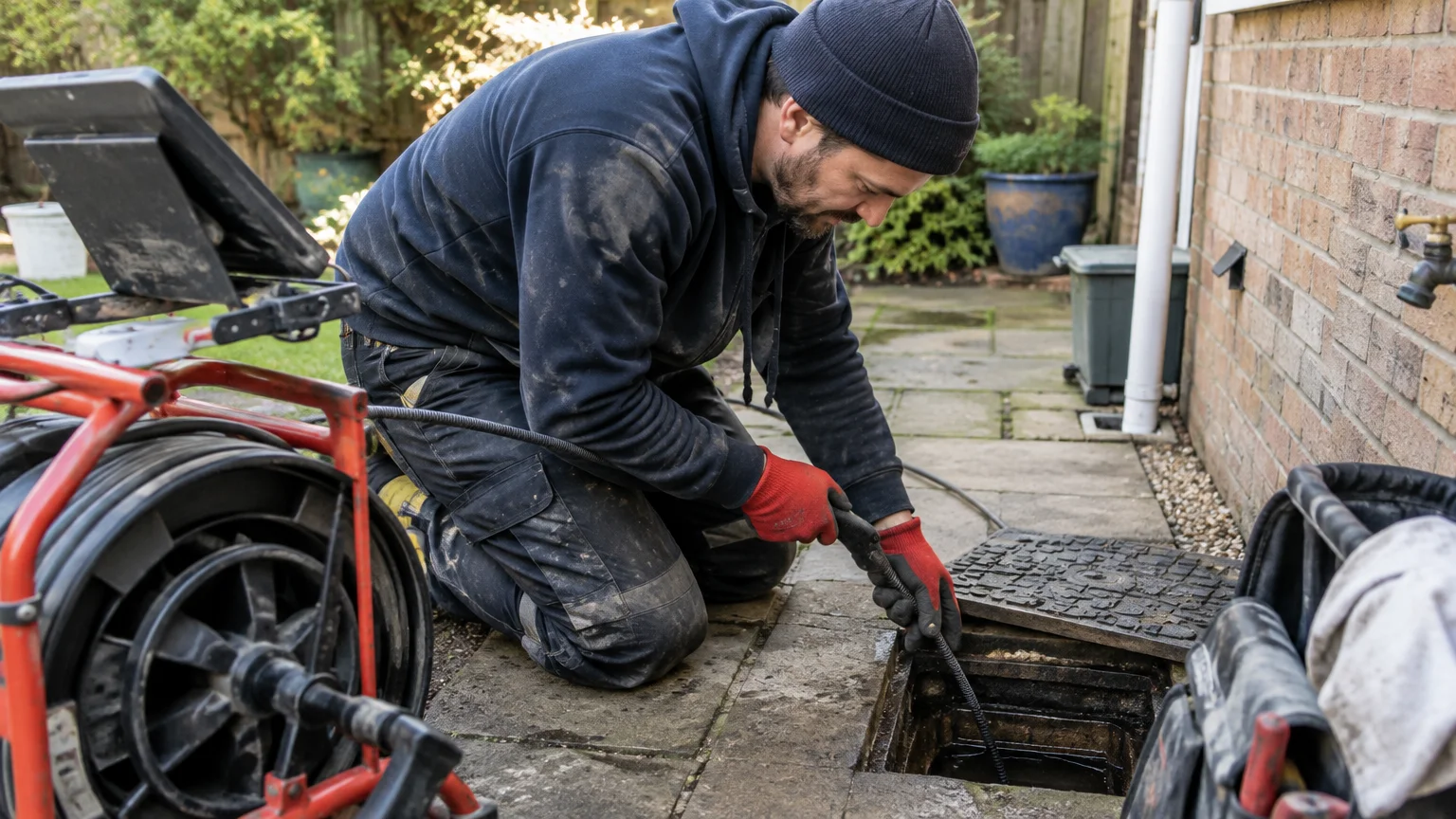
A plumber may check affected fixtures, look at a cleanout, or use a drain camera. A cleanout is an access point that lets a plumber reach a drain line. A camera can show a clog, roots, a break, or a low spot inside a pipe.
These checks help show whether the job needs cleaning or a pipe repair. Rockford Plumbing can explain what the inspection finds and what work may help. The written quote should state the planned work. It should also say what the inspection could not confirm.
You can note when the problem began and which fixtures are affected. These details may help the plumber find the source. Still, repeated backups or wastewater need more than a quick cleaning without checking the cause.
How does the blockage’s location affect repair cost?
A blockage may be easier to clear when it sits near a fixture that is easy to reach. Work can become more involved when the clog is deep in a drain, under a slab, or in a buried sewer line. The distance, depth, and access affect the tools and time needed.
How do indoor drains compare with buried sewer lines?
Indoor clogs often form in a sink, shower, or toilet branch. A plumber may reach them through the fixture or a nearby cleanout. Grease in a kitchen drain or hair in a bathroom drain may be close to the fixture. The cause still needs to be checked.
A buried sewer line carries wastewater away from a building. A blockage there may affect several fixtures. The plumber may need to check a longer part of the line to find debris, roots, or pipe damage. A camera can help show where the trouble begins.
Why do depth, distance, and access matter?
A drain that is easy to reach may be simpler to inspect and clean. A pipe behind a finished wall, under a floor, or beneath paving may need extra steps. The repair plan should say if a surface must be opened and who will put it back.
Long or deep pipe runs may need different tools than a short fixture drain. A drain snake, also called a drain auger, has a flexible cable that can break up or pull out some clogs. It may help with certain blockages, but it cannot fix a broken or collapsed pipe.
Rockford homes can have different layouts and sewer connections. A property’s age and design may affect where the plumber looks first. Ask the plumber to explain where they think the blockage is before you approve work.
How do the cause and severity of a blockage change the work?
The cause and size of a blockage help decide whether the plumber can clear the drain or needs to repair a pipe. Grease, hair, soap, and food scraps can build up inside drain lines. Roots, shifted pipes, and broken sections may need more than cleaning.
What causes common drain blockages?
Kitchen drains often collect grease and food scraps. Bathroom drains can gather hair and soap. Toilets may clog when people flush items that do not break down in water. These things can build up until water drains slowly or stops.
Tree roots can enter small gaps in older sewer pipes. Soil can also move a pipe or cause it to crack. A plumber may find that a clog keeps coming back because the pipe has a fault, not because the first cleaning failed.
Some people try cleaning a drain with vinegar and baking soda. This may help with light buildup near a drain opening. It is not a sure fix for a deep clog, roots, or damaged pipes. Do not mix household cleaners, and follow the label to help avoid fumes or pipe damage.
When does a recurring clog point to a larger problem?
A clog that returns soon after cleaning needs a closer look. The same is true for a drain that gurgles, smells bad, or backs up in more than one room. These signs can mean the blockage is farther along the line or the pipe is damaged.
A plumber may use a camera after clearing the drain. This can show whether the pipe is clear and sound or still has a fault. Rockford Plumbing can explain what the check found and what the next step may be for your property.
Do not keep forcing tools into a drain when you do not know the cause. A sharp tool or strong chemical can harm pipes or seals. Stop using affected fixtures if wastewater is backing up. Ask a licensed plumber to check the risk.
Does drain cleaning cost less than repairing or replacing a pipe?
Drain cleaning is usually a simpler job than pipe repair or replacement when a clog is the only problem. The final cost depends on access, tools, and what the inspection finds. If the pipe is damaged, cleaning may restore flow only for a short time.
When may clearing a blockage be enough?
A plumber may clear a drain when the pipe is sound and the clog comes from normal buildup. The plumber can use a suitable snake or other drain-cleaning tools to loosen or remove it. The right method depends on the pipe and the blockage.
After cleaning, the plumber may run water or inspect the line to see if it drains well. You can help prevent new clogs by keeping grease, wipes, and food scraps out of drains. Use a strainer in sinks and showers to catch hair and debris.
You do not need a professional for every slow drain. You can remove visible debris from a drain cover, clean a sink stopper, or use a plunger on a simple fixture clog. If several drains back up, sewage appears, or the clog keeps returning, stop DIY work and call a plumber.
When may a pipe need repair or replacement?
Cleaning removes material inside a pipe. It does not mend a crack or replace a failed section. A plumber may suggest repair if a camera shows a break, heavy rust, a sag, or root damage. The right fix depends on where the fault is and how much pipe is affected.
Replacing part of a pipe may take more work than clearing a clog. The plumber may need to open a wall, floor, or yard to reach the line. Ask which parts of the system are affected. Also ask if the repair aims to fix the cause or only restore water flow for now.
Which property conditions can affect the repair?
A building’s layout, pipe material, and drain use can change the repair plan. Home drains often serve fewer fixtures than business systems. The plumber needs to consider the full layout so the work suits the building and does not cause another issue.
How do layout and pipe material affect the approach?
A drain line may run through a crawl space, basement, wall, or slab. Access can change how the line is checked and reached. Older pipe materials may need gentler tools than newer pipes. The plumber should identify the pipe before choosing tools or cleaners.
The location of a cleanout can matter too. A clear access point may make it easier to check part of a pipe. If there is no useful access point, the plumber may need another plan. Ask why the chosen access point and method are right for the property.
How are commercial drains different?
A business may have more fixtures and heavier daily use than a home. Restaurants, offices, and rental buildings can send different materials down their drains. A blockage in a shared line may affect many people and interrupt daily work.
Some business properties have drains linked to special equipment. The plumber should know what the line serves before starting work. Owners and managers can share repair records and explain when symptoms happen. These details may help find patterns and avoid extra disruption.
For a home or business, the quote should state which drain or line will be cleaned or repaired. It should also explain what is not included, such as work on another pipe or fixing a surface. Clear details help you understand the planned work.
How can urgency and additional damage affect the final cost?
Urgent work may need faster action and different planning than a routine repair. A slow drain that still works may allow time to arrange a check. Sewage backing into a building, a large leak, or water spreading through rooms needs prompt attention.
When does a drain need emergency attention?
A sewer backup can expose people to dirty water and damage floors, walls, and belongings. Stop using fixtures that drain into the affected line. Keep people and pets away from wastewater. Do not touch electrical items in wet areas.
One slow drain may not be an emergency if other fixtures work and there is no leak. But several backed-up fixtures, a sewage smell, or water rising from a floor drain may point to a larger blockage. Share these signs when asking for emergency plumbing help.
How can backups and leaks add to the repair?
Water that escapes a pipe can damage building materials and personal items. A drain backup can spread waste outside the pipe. The work may then involve both plumbing repair and separate cleanup or restoration, depending on the damage.
Acting early may help limit how far water spreads. If it is safe, stop using the affected fixture and keep people away from the area. Do not open a sewer line or handle wastewater without proper training and protection.
Ask whether the quote covers only the drain work or other tasks too. Building repairs and cleanup may need separate workers. Clear limits help owners plan and avoid assuming that one plumbing repair includes every related job.
How can you understand and manage a blocked drain repair quote?
A useful quote explains what the plumber found, what work is planned, and what may change if new damage appears. It should name the drain or pipe and say whether the work is cleaning, repair, or replacement. The final cost is confirmed on a quote before work begins.
What should you clarify before approving work?
Ask how the plumber found the blockage and whether its cause is known. Find out what the planned work should fix and which parts of the system it covers. Ask what may happen if the pipe is damaged and whether cleanup or surface repairs are included.
A clear quote should also explain any limits. For example, cleaning may clear a clog but not fix a pipe fault. If the check is not complete, ask what is still unknown and how that could change the plan. Compare the work and diagnosis, not only the final amount.
How can maintenance help prevent repeat blockages?
Simple habits can help prevent common clogs. Use sink and shower strainers, keep grease out of kitchen drains, and flush only waste and toilet paper. Clean visible debris from drain covers and sink stoppers when needed.
Do not use strong drain chemicals as a routine fix. They may harm some pipes and can be unsafe if mixed with other products. If a drain slows often, arrange a check instead of repeating the same treatment.
Keep notes about past clogs and repairs, especially in rental or business buildings. These records can show if a problem is new or keeps returning. Rockford Plumbing can help property owners, including those in Downtown Rockford, East Rockford, Loves Park, Machesney Park, Cherry Valley, Belvidere, and nearby communities, understand what to do when a blockage returns.
Key takeaways
- Location matters: A clog near a fixture is often easier to reach than a buried sewer blockage.
- Cause matters: Grease and hair may clear, while roots or a broken pipe may need repair.
- Repeat clogs need a closer look: A camera check can help find a hidden pipe fault.
- DIY has limits: You can clean drain covers or try a plunger, but should not handle sewage or damaged pipes.
- Read the quote: Check the cause, planned work, and limits before approving a repair.
Frequently Asked Questions
What usually causes a blocked drain?
Common causes include grease, hair, soap, food scraps, and items that should not be flushed. Roots can enter damaged sewer pipes. A shifted or broken pipe can also trap debris. If a clog keeps returning, the problem may be inside the pipe, not loose material near a fixture.
Can a drain snake clear every blockage?
No. A drain snake can break up or pull out some clogs, especially in easy-to-reach lines. It cannot fix a cracked, collapsed, or badly shifted pipe. The tool must suit the pipe and blockage. If the drain backs up again, a plumber may need to inspect the line.
Is baking soda and vinegar a reliable way to clean a drain?
It may loosen light buildup near a drain opening. It is not a sure fix for a deep clog or sewer blockage. Do not mix it with chemical drain cleaners. If a clog returns, a plumber can check whether buildup or pipe damage is the cause.
When should a homeowner call a plumber for a blocked drain?
Call a plumber when several fixtures back up, sewage appears, a clog returns, or water leaks from a pipe. You can remove visible debris and try a plunger on a simple fixture clog. Stop DIY work if the cause is unclear or wastewater is present.
What should a blocked drain repair quote explain?
The quote should describe the problem, the drain or pipe, and the planned work. It should say if the job is cleaning, repair, or replacement and note any limits. Ask if cleanup or building repairs are included. The final cost should be confirmed on the quote.
Conclusion
Blocked drain repair cost depends on the blockage’s location, cause, access, and pipe condition. A simple clog may need cleaning, while repeat backups or pipe damage can need more work. You can handle basic upkeep, but sewer backups and damaged lines need professional help.
To understand the issue and repair options, Contact us at Rockford Plumbing. Share which fixtures are affected and whether the problem has returned so the team can discuss the next step. You can also learn more about Rockford Plumbing.
If you are not sure what you are dealing with, it is worth having someone look at it before it turns into a bigger job. Get in touch with Rockford Plumbing today and we will tell you where you stand.